Hypertension, commonly known as high blood pressure, is a condition in which the force of the blood against the artery walls is consistently too high. If left untreated, hypertension can lead to serious health issues such as heart disease, stroke, and kidney damage. It is often referred to as a “silent killer” because many people with hypertension may not experience any symptoms, especially in the early stages.
Symptoms of Hypertension
Most people with hypertension may not exhibit noticeable symptoms, but in cases where blood pressure levels are extremely high, the following symptoms may occur:
- Headaches: Persistent or severe headaches, especially in the morning.
- Dizziness or lightheadedness: A feeling of spinning or loss of balance.
- Shortness of breath: Difficulty in breathing, particularly during physical activity.
- Nosebleeds: Sudden or frequent nosebleeds.
- Chest pain: Pressure, tightness, or pain in the chest area.
- Vision problems: Blurred or double vision, or seeing spots.
- Fatigue or confusion: Feeling unusually tired or mentally foggy.
- Irregular heartbeat: A rapid or irregular heart rate (palpitations).
- Blood in urine: In rare cases, this may indicate kidney damage caused by high blood pressure.
Because these symptoms are not exclusive to hypertension and often occur only in severe cases, regular blood pressure monitoring is crucial to early detection and management.
Diagnosis of Hypertension
Hypertension is usually diagnosed through routine blood pressure measurements. A blood pressure reading consists of two numbers:
- Systolic pressure: The top number, which indicates the pressure in your arteries when the heart beats.
- Diastolic pressure: The bottom number, representing the pressure in your arteries when the heart is resting between beats.
Normal blood pressure is generally considered to be less than 120/80 mmHg. Hypertension is categorized as follows:
- Elevated Blood Pressure: Systolic between 120-129 mmHg and diastolic less than 80 mmHg.
- Stage 1 Hypertension: Systolic 130-139 mmHg or diastolic 80-89 mmHg.
- Stage 2 Hypertension: Systolic ≥140 mmHg or diastolic ≥90 mmHg.
If your blood pressure is consistently elevated over multiple readings, your doctor may diagnose hypertension.
Diagnostic Methods:
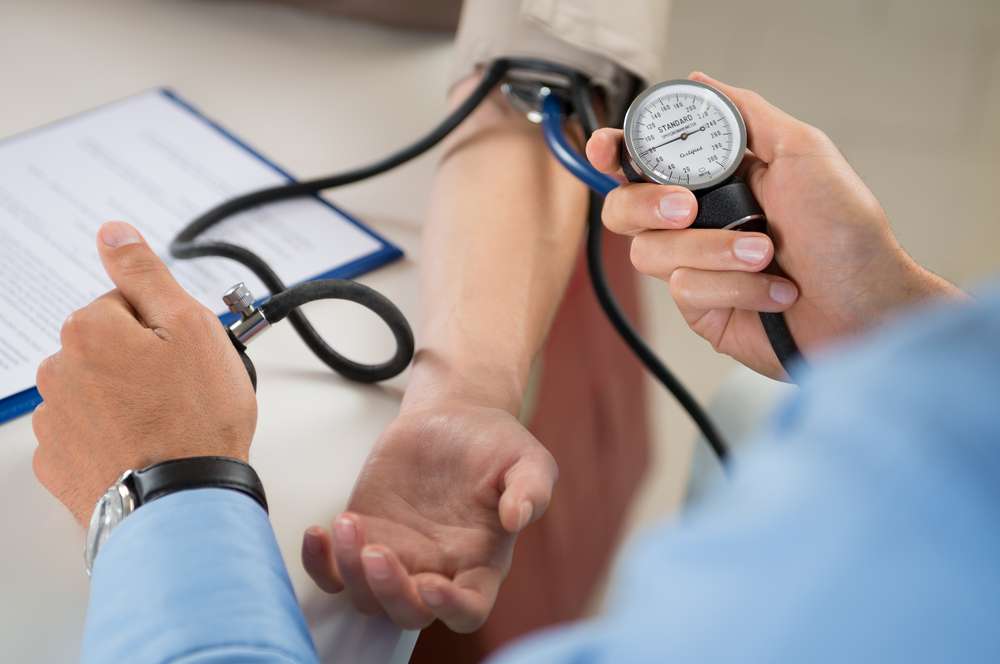
- Blood Pressure Readings: Regular measurements using a blood pressure cuff, either in a doctor’s office or with a home monitoring device.
- Ambulatory Blood Pressure Monitoring (ABPM): A 24-hour test where a portable device takes your blood pressure periodically throughout the day and night to get a more accurate assessment.
- Physical Exam: Doctors will perform a physical exam to check for signs of underlying conditions, such as swelling, abnormal heart sounds, or issues with the eyes.
- Blood Tests: To assess kidney function, blood sugar levels, cholesterol, and other markers that may indicate associated conditions.
- Electrocardiogram (ECG): To check for any heart problems caused by high blood pressure.
- Urinalysis: To check for protein or blood in the urine, which could indicate kidney damage related to hypertension.